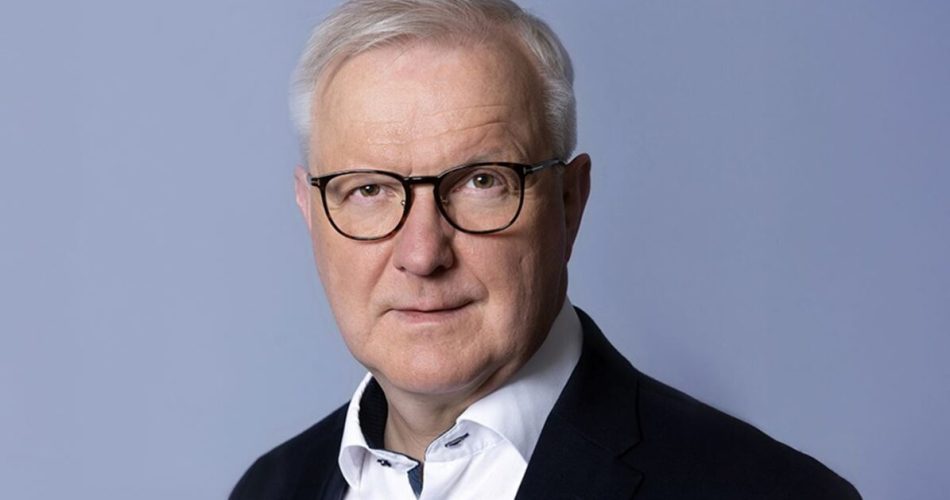
The governor of the Bank of Finland, Olli Rehn, warned on November 21, 2023, that slowing down the green transition would be a serious mistake, especially in the international context marked by the war in the Middle East. For Rehn, this conflict further highlighted the need to accelerate the energy transformation as a way to increase Europe’s resilience.
Rehn emphasized that the process of replacing fossil fuels with renewable sources is essential for Europe’s long-term competitiveness. Despite the difficulties brought by the conflict, the Eurozone needs to maintain the pace of energy change to ensure its economic and political stability, according to the Finnish governor.
The impact of the war in the Middle East has been different among Eurozone member countries. Finland, for example, shows less vulnerability due to more advanced progress in its energy transition. According to Rehn, this progress helps to moderate the economic effect, even with increasing global tensions and uncertainties.
Regarding inflation, the governor explained that medium-term effects remain uncertain but anticipated an inevitable increase for the year 2023. On the other hand, he stressed that the European Central Bank’s (ECB) monetary policy decisions are not predefined, and that the ECB remains attentive to the conflict and its potential economic impact.
In his assessment, Rehn summarized information from the Reuters agency to reinforce that the path of the energy transition must continue even amid current crises. In this way, Europe seeks not only to reduce emissions but also to strengthen its energy independence and ensure greater economic stability in the face of external shocks.
The conclusion of the process will depend on the ongoing analysis of the impacts of the Middle East conflict by the European Central Bank, which must adapt its strategies as new economic information emerges in the coming weeks.