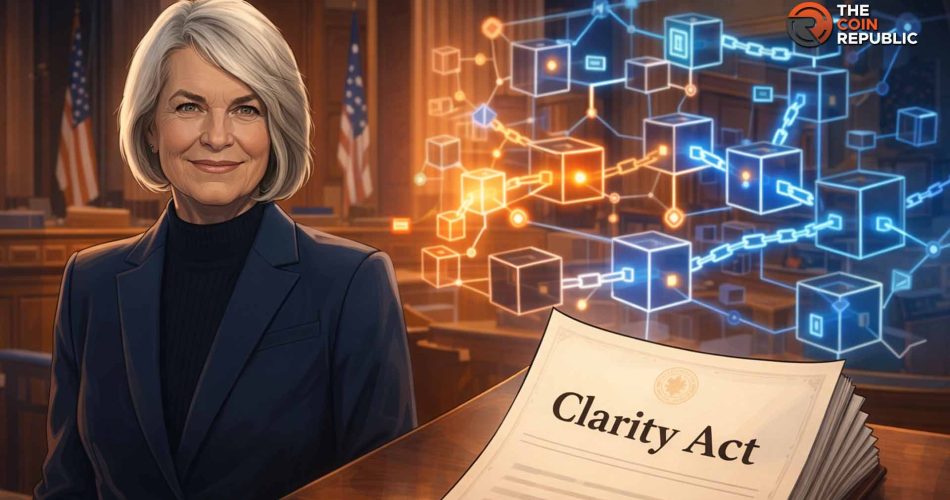
Senator Cynthia Lummis announced that the Clarity Act will undergo adjustments that promise to bring greater security to the decentralized finance (DeFi) sector. Initially scheduled to be approved in March 2024, the deadline was extended to April of the same year, allowing more time for the incorporation of the suggested changes.
The revised proposal removes the obligation to comply with money transfer rules and know your customer (KYC) processes for developers who do not exercise direct control over users’ funds. On the other hand, the bill maintains regulation for platforms that manage financial resources or use software considered non-neutral, expanding oversight over these cases.
Furthermore, the Clarity Act intends to include anti-fraud measures specific to the DeFi environment in order to mitigate risks and protect investors. These actions aim to create a safer and more reliable environment without restricting the autonomy of users who opt for self-custody of their digital assets, as highlighted by the senator.
On the other hand, Coinbase has expressed opposition to the possible ban on earning interest through stablecoins. The discussion reflects a conflict between the desire for greater regulatory control and opportunities for innovation within the sector. Overall, the recent changes in the bill reflect efforts to balance protection and freedom in the crypto asset market.
Senator Lummis stated that the changes should be incorporated into the final version of the Clarity Act, which will continue to be evaluated by the responsible committees before the final vote. Meanwhile, the deadline extension provides space to improve the guidelines that will directly impact the operation of DeFi in the United States.
Context and impacts on DeFi regulation
The decentralized finance sector, known as DeFi, has often been described as an environment comparable to the Wild West due to the absence of clear and effective oversight. This lack of regulation exposes users to significant risks, especially regarding improper control by the platform developers themselves. Thus, financial losses resulting from fraud and vulnerabilities occur recurrently and worry experts.
The bill called the Clarity Act, one of the central proposals to establish rules in the DeFi market, has faced delays and political disputes since its inception. Senator Cynthia Lummis is one of the main advocates of this initiative in the United States Congress. She highlights that the approval of the Clarity Act could solve one of the most critical obstacles faced by the sector, balancing investor security with maintaining operational freedom for users.
Furthermore, the regulatory debate surrounding decentralized finance intensifies pressure for the government to avoid excessive intervention in this market. Experts suggest that appropriate regulation, if implemented, could restore investor confidence in the cryptocurrency market and improve operational transparency. On the other hand, recent changes in the bill have prioritized mechanisms to combat fraudulent agents, increasing protection against illicit practices.
Overall, the current DeFi landscape remains marked by a significant regulatory challenge. The absence of clear rules fosters fraud and complicates oversight, while regulation needs to move towards balancing protection and innovation. The conclusion of the legislative process will depend on a thorough analysis by Congress, which must consider not only user security but also the dynamics of the cryptocurrency market itself.
The next step will be the vote on the Clarity Act, whose approval could transform regulation of the DeFi sector. If approved, the bill will allow more coordinated action by authorities and is expected to establish standards for the operation of decentralized platforms, directly impacting this rapidly growing market in the United States and worldwide.