On March 12, 2026, armed attacks in southern Iran triggered an escalation of tensions in the region, raising the price of a barrel of oil to 105 dollars, a 12% increase compared to the previous week. The country accounts for about 4% of global production, according to the International Energy Agency, which contributes to the rise in global energy costs. However, the impact is not limited to oil: international food prices are expected to increase by 4.5% in March, according to estimates by the United Nations Food and Agriculture Organization.
The price increase has direct influences on transportation costs, which have already risen by 8% since the beginning of the conflict, affecting global supply chains. Maritime transport companies reported delays of up to seven days due to military restrictions in the Persian Gulf. Consequently, Asian stock markets fell by 3% on March 11, while the US dollar appreciated by 1.2% against emerging currencies on the 10th.
Experts project a global inflation increase of approximately 0.3 percentage points this month, putting pressure on governments and central banks to adopt stricter measures. In the United States, the consumer price index already showed an annual increase of 5.4% in February, with the energy sector accounting for 15% of the average household expenses, according to a report from the US Department of Energy. Additionally, World Bank data indicate that inflation in the Middle East region may reach 9% by the end of the year.
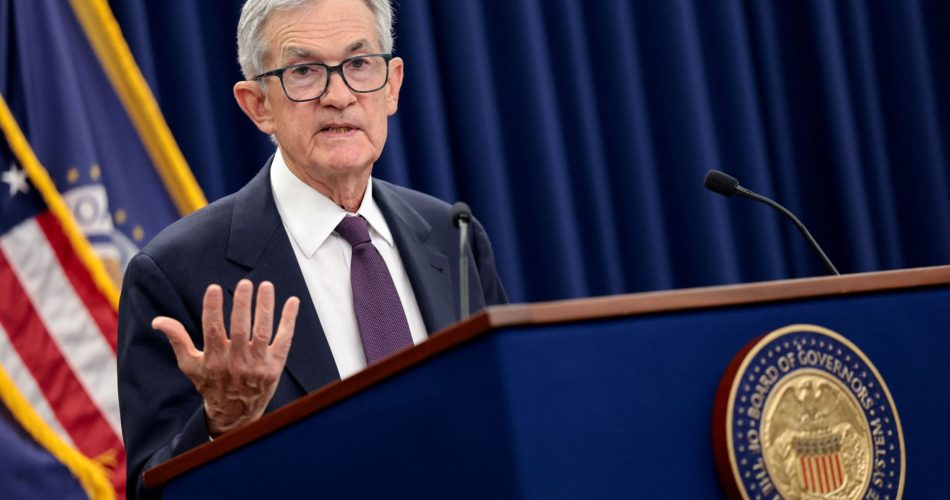
In this context, the United States Federal Reserve (Fed) announced a meeting for March 15, 2026, to analyze the economic indicators affected by the increases in energy and food prices. The Fed’s decision will be closely watched, as the increase in living costs may lead governors to maintain a restrictive monetary policy. Meanwhile, the Organization of the Petroleum Exporting Countries (OPEC) holds weekly meetings to monitor production, while the United Nations Security Council intensifies its deliberations on regional stability. The expectation is that the oil futures market will maintain prices above 100 dollars until June, according to a report by the Reuters agency.
Economic context and implications for monetary policies
The Federal Reserve has kept the base interest rate at 5.25% per year since December 2025, amid the inflationary pressure scenario affecting the United States. According to recent surveys, at least 70% of American households report increased monthly expenses on energy and food. Meanwhile, domestic consumption in the country declined by 0.6% in February, according to data from the Department of Commerce.
Global inflation, measured by the consumer price index, reached 6.1% in January 2026, according to a report by the International Monetary Fund (IMF). The same document projects global economic growth of 2.7% for this year. In this context, revisions in the monetary policies of Europe and Japan are expected at meetings between March and April. The European Central Bank has already signaled the possibility of further interest rate increases, depending on the evolution of inflation in the region.
The conflict in Iran directly impacts energy markets and contributes to global economic volatility. The country’s Ministry of Finance confirmed a 15% increase in military spending compared to 2025. Additionally, Iranian oil exports fell by 8% in February, while the National Iranian Oil Company recorded a 5% reduction in monthly production at the end of February. Consequently, average natural gas prices in Europe rose by 18% between February and early March.
The Bloomberg commodity index showed an accumulated appreciation of 9% in the first quarter of 2026. On the other hand, trading platforms foresee adjustments in credit cycles due to the increase in the cost of living. Studies by the International Finance Institute indicate that potential inflation in the dollar zone increased by 0.4 percentage points. The global financial sector signals greater risk in securities tied to energy commodities, reflecting current instability.
Still, data from the Council on Foreign Relations (CFR) highlight currency turbulence in several emerging countries. Iran’s Ministry of Finance and other authorities are closely monitored, while economies dependent on oil imports represent 38% of the global Gross Domestic Product (GDP), according to the IMF. The US Treasury Secretary is scheduled to speak on March 16 about the conflict’s impacts on global supply chains.
The conclusion of the process still depends on the developments of meetings of the central banks of Europe and Japan, which will analyze responses to inflationary pressure and the external shock caused by the Middle East crisis.