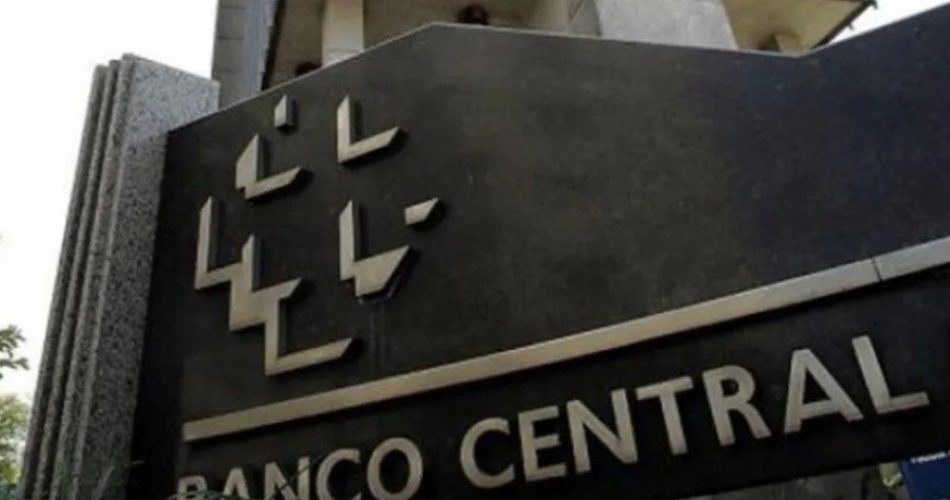
In March 2024, the basic Selic interest rate in Brazil remained at 14.75% per year, reflecting the economic challenges faced by the country. This high rate is related to a series of structural and cyclical factors that keep the cost of credit high, directly impacting families and businesses.
The equilibrium interest rate in Brazil is above the international average, a direct result of local economic conditions. The Central Bank (BC) uses this parameter to guide its operations and adjust the Selic, which needs to respond both to inflation and the level of risk associated with public debt and credit. Thus, the basic interest rate reflects not only monetary policy but also the particularities of the Brazilian financial market.
The Brazilian credit market is divided between directed credit and free credit, which in 2024 accounted for about 24% and 32% of the Gross Domestic Product (GDP), respectively. From 2014 to 2015, directed credit even exceeded 26% of GDP, being fundamental for sectors such as housing, agriculture, and infrastructure. In addition, these modalities have specific regulations and different rates, which influence the final cost of financing.
The banking spread in Brazil is high, driven by legal uncertainty, low competition, and taxes such as the Tax on Financial Operations (IOF). These elements increase the cost of loans and reflect the complexity of the local financial system. On the other hand, credit lines with guarantees, such as payroll-deductible loans and mortgage financing, have lower rates compared to unsecured loans.
Default also contributes to the high cost of credit, as it is influenced by judicial hurdles in debt collection. The slowness and complexity of judicial processes hinder loan recovery, increasing risk for financial institutions. Additionally, the banking sector is concentrated, dominated by a few large institutions, although there has been an expansion of fintechs and digital banks in recent years.
Investors demand higher returns on Brazilian government bonds, motivated by perceived risks regarding the government’s solvency. The increase in public expenditures, especially in areas such as social assistance and pensions, usually pressures the Central Bank to raise the Selic to contain inflation. This fiscal scenario weakens the balance of public finances and directly influences financing conditions in the country.
Brazilian families tend to save less, partly due to social policies, pension spending, and the provision of public services. Consequently, demand for credit remains high, especially in secured modalities, which are more accessible in terms of interest rates. However, research from Insper indicates that low-income people face less favorable credit conditions, even when they have a credit history similar to that of high-income individuals.
Since 2018, the National Bank for Economic and Social Development (BNDES) has applied market interest rates to directed credit, representing a significant change in public financing policy. Still, the final cost of loans includes the basic rate plus the banking spread, which remains high in Brazil compared to other countries. This combination reflects both economic risks and the country’s regulatory environment.
Fiscal imbalances and rising public debt are among the main reasons for interest rates to remain high. The Central Bank needs to adjust the Selic considering the large share of directed credit, whose rate does not necessarily follow the basic interest level. Thus, monetary policy faces challenges in balancing inflation control without harming credit access.
Finally, the next step to control the current scenario will be the analysis by economic authorities of fiscal conditions and the impact of public expenditures on the Selic rate. Furthermore, regulatory adjustments and advances in banking competition may influence the Central Bank’s next decisions in its attempt to reduce the cost of credit.