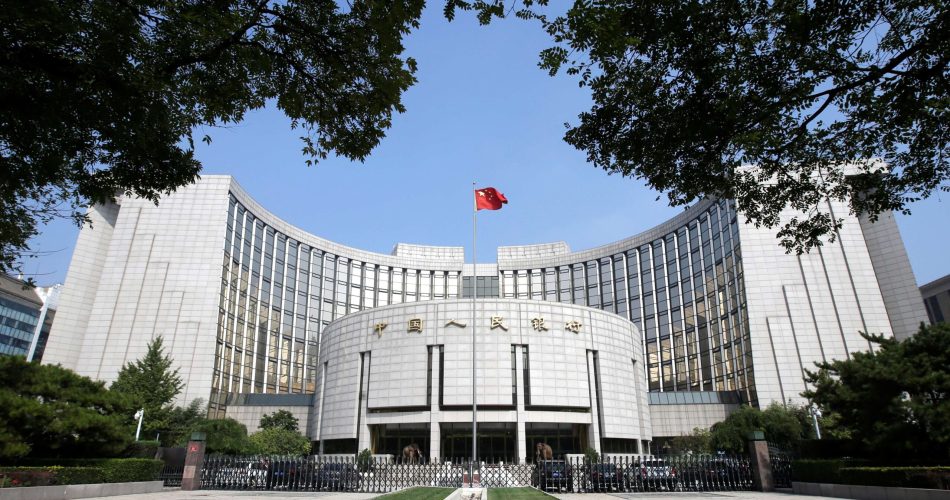
The Focus Survey from the Central Bank of Brazil will be released this Monday, March 23, 2025, bringing economic projections for the country. Last week, the Central Bank had already reduced the Selic rate by 0.25 percentage points, signaling a looser monetary policy ahead of the survey publication.
Moreover, the financial market is monitoring expectations for the release of the minutes from the Monetary Policy Committee (Copom) and the Monetary Policy Report (RPM) for the first quarter, scheduled for March 24. These releases are considered essential to understand the next steps of Brazilian economic policy.
In the capital market, the Ibovespa closed last Friday, the 21st, at 176,219.40 points, representing a drop of 2.25%. This performance reflects investor caution facing the domestic and international scenario, marked by instability and concerns about economic policy and international events.
The price of diesel has been pressuring inflation and the transport sector. According to data from the National Agency of Petroleum, Natural Gas and Biofuels (ANP), the fuel price rose 20.6% in the second week of March, reaching R$ 7.65 per liter. This recent increase was intensified by Petrobras’ adjustment, which follows a 6.6% rise in diesel with import dependency between March 15 and 21.
In a significant announcement for the energy sector, President Luiz Inácio Lula da Silva informed that Petrobras intends to repurchase the Mataripe Refinery, located in Bahia. The measure may change the production and distribution flow of derivatives in the region, while strengthening the state company’s presence in the production chain.
On the international front, the tension between Iran and the United States continues to increase uncertainties. The US president, Donald Trump, threatened to attack Iranian power plants if the Strait of Hormuz is not reopened within 48 hours. This statement was made on March 21, when Trump also said he had “wiped Iran off the map” and publicly criticized analyst David Sanger of The New York Times.
In response, Iran announced it will attack energy and water supply systems in Gulf countries if Trump’s threat materializes. This escalation has mobilized allies, such as the United Kingdom, which authorized the US to use British military bases to launch attacks on Iranian missile installations in the Strait of Hormuz. On Friday, March 21, British ministers intensely discussed the situation regarding the blockade of this strategic passage.
The international oil market also felt the impact of these conflicts. The price of Brent crude oil surpassed US$ 110 due to the unstable situation between Iran and Israel, raising fears of global supply difficulties. Meanwhile, financial agents in the United States are closely monitoring statements from Federal Reserve members to assess the consequences of the oil price increase on US inflation and monetary policy.
Finally, President Lula had no official schedule released for March 23, as did Dario Durigan, the new Finance Minister, who has no public commitments announced yet. The expectation is that the government’s focus will remain on the economic situation and the most urgent international political developments.