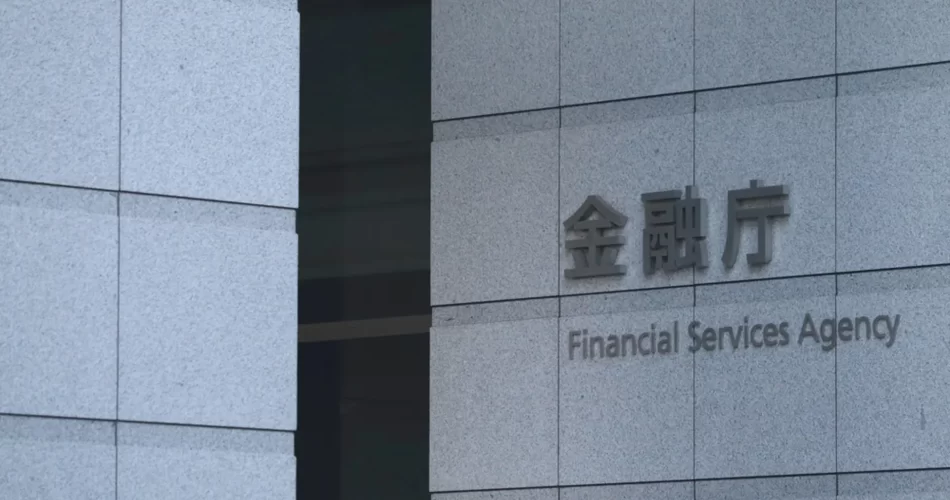
On April 26, 2024, the Financial Services Agency (FSA) of Japan issued warning letters to four cryptocurrency brokers for operating without proper registration. Among the notified companies are KuCoin, NeonFX, Doption, and GTCFX, which were identified as providing illegal services to users in Japan.
The Seychelles-based exchange KuCoin had received a similar warning in November 2023. However, the company continued operating, which led to the new action by the FSA. Additionally, the institutions pointed out are suspected of offering over-the-counter (OTC) derivative trading to investors residing in Japanese territory via the internet, a practice prohibited without authorization.
In February 2024, the financial agency formally requested that the Apple and Google app stores suspend the availability of the KuCoin app. The measure aimed to limit Japanese users’ access to services that did not meet local regulatory requirements. Therefore, oversight has been closely monitoring the growth of these platforms in the country.
The Japanese market has experienced significant expansion in the use of crypto assets, with the number of accounts exceeding 12 million in February this year. On the other hand, this vast user base has increased the level of government supervision over the sector, which seeks greater legal compliance. Thus, the FSA has intensified its actions to curb unregistered operations.
Overall, Japan maintains a strict stance toward crypto companies that do not meet regulatory requirements. The FSA’s actions demonstrate efforts to ensure transparency and security for local investors, preventing risks associated with the irregular activity of these exchanges.
Regulatory Measures and Legislative Changes in Cryptocurrencies in Japan
Japan’s Financial Services Agency (FSA) is working to enhance supervision standards over cryptocurrency exchanges, especially those operating without formal registration, such as KuCoin. These initiatives aim to protect investors from risks associated with unauthorized platforms in the domestic market.
Furthermore, the Japanese government is considering transferring cryptocurrency regulation from the Payment Services Act to the Financial Instruments and Exchange Act. This legislative change would expand disclosure and compliance obligations for token issuers and exchanges, making the regulatory environment stricter.
With the new legal framework, regulatory authorities will have increased powers to curb illegal or irregular operations, strengthening oversight of platforms that do not meet registration requirements. This way, cases of unauthorized activity can be suppressed more effectively.
The proposal also foresees that exchanges and cryptocurrency issuers will be subject to greater transparency in their operations. Consequently, it is expected that reports on financial activities will be detailed, allowing closer monitoring by the FSA.
However, these changes are still under legislative review and must be approved by the Japanese parliament. Meanwhile, the regulatory agency continues intensifying monitoring and warnings to unregistered platforms, increasing pressure for compliance with current regulations.