Consumer inflation in Brazil rose 0.44% in March 2024, surpassing the median forecast of 0.29%, according to a Bloomberg survey. Consequently, the annual index reached 3.9% in the same month, as disclosed in official data. These numbers reflect persistent price pressures in the Brazilian economy.
The Central Bank of Brazil, which began a cycle of reducing the basic interest rate, the Selic, closely monitored these indices. However, given the observed rise in inflation, the market adjusted its expectations for smaller cuts in the Selic throughout this year. Thus, the financial scenario remains cautious regarding future monetary decisions.
Besides internal issues, external factors also influence the inflationary dynamics. The central bank highlighted that the conflict between the United States and Iran generates global economic uncertainties, which complicate inflation control. The federal government’s response included measures such as reducing taxes on fuels, aimed at alleviating the impacts of the international crisis.
Simultaneously, lines of credit were created for companies to mitigate the adverse effects of this turbulent external environment. However, the rise in oil and electricity prices keeps inflation at a high level. Finally, these combined elements restrict the pace of price deceleration and influence the adopted economic policies.
Political Challenges for the Lula Government in 2024
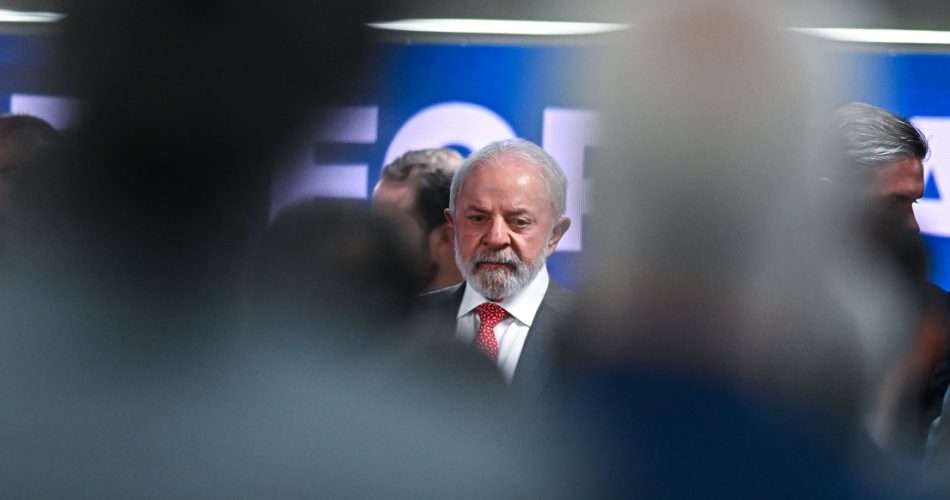
The government of Luiz Inácio Lula da Silva faces growing political wear amid economic slowdown and high inflation, which undermine its narrative of recovery in an election year. Additionally, the increase in the cost of living has generated widespread dissatisfaction among Brazilians, making it difficult to maintain popular support.
The Bloomberg report highlights that the negative perception of economic performance is a crucial factor limiting the government’s ability to regain voters’ trust. This occurs while Flávio Bolsonaro’s pre-candidacy, from the Liberal Party (PL), gains strength, increasing political pressure on the current leader.
According to journalist Juan Pablo Spinetto, Bloomberg columnist, changes in the profile of Brazilian voters over recent decades worsen the situation for the government. The combination of an aging population and economic instability represents significant obstacles for the re-election campaign. Overall, these changes make the political environment more complex for Lula.
Another difficulty lies in international conflicts, a topic that has negatively impacted the electoral scenario and may influence voters’ appetite for leadership change. Public concerns focus mainly on inflation, crime, and corruption, issues that still remain as the main challenges for the federal government.
Finally, the comparison made by Bloomberg between Lula and former United States President Joe Biden illustrates a similar picture of wear and adversity in 2024. Thus, the Brazilian government faces conjunctural obstacles that require effective political and economic responses to reverse the situation before the electoral poll.