On June 18, 2024, the Monetary Policy Committee (Copom) of the Central Bank (BC) decided to reduce the Selic rate by 0.25 percentage points, lowering it from 15% to 14.75%. This was the first reduction recorded this year, marking a change in the conduct of monetary policy.
However, the Central Bank emphasized that the external environment remains unfavorable, with increased uncertainty due to the conflict in the Middle East. This situation raised the volatility of asset and commodity prices, bringing risks to global economic stability.
In addition, the committee remains vigilant over the potential effects of the conflict on global supply chains, especially in sectors related to energy and raw materials. This complex situation may interfere with the behavior of inflation in Brazil, as warned by the monetary authority.
There is currently no clarity on the duration or depth of the economic impacts caused by the international crisis. Therefore, the Central Bank stated that it will continue to monitor these developments to adjust its monetary policy as necessary in upcoming meetings.
Reaction from the Federation of Industries of the State of São Paulo (Fiesp)
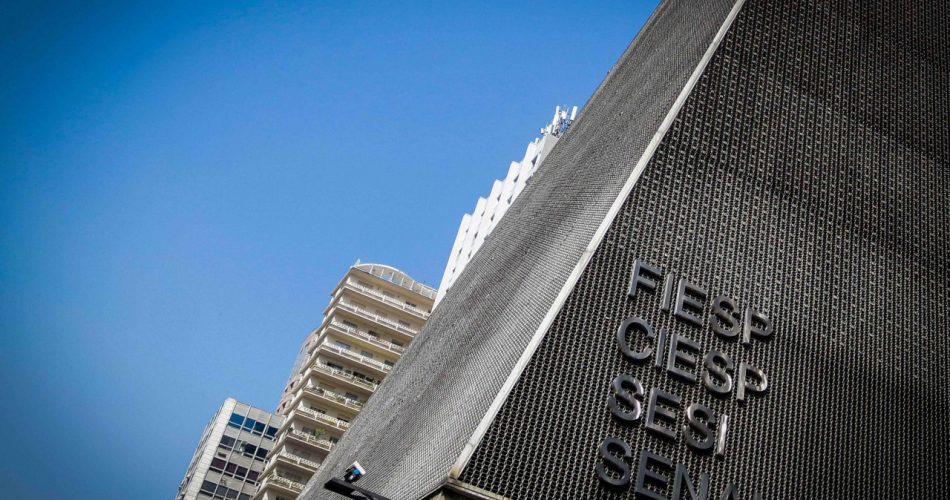
The Federation of Industries of the State of São Paulo (Fiesp) criticized on June 18, 2024, the Central Bank’s decision to reduce the Selic rate by only 0.25 percentage points. The entity evaluated that the reduction was insufficient given the current economic scenario and maintains the monetary policy at an excessively restrictive level, harming recovery and growth. For the president of Fiesp, Paulo Skaf, the expected drop should be more significant to reflect the market reality.
Skaf highlighted that the interest rates currently practiced in Brazil are still very high, reaching up to six times higher than inflation. This situation directly limits investments by companies and restricts the expansion of national production, according to the federation. Furthermore, Fiesp warned that the Brazilian public debt, which approaches 80% of the Gross Domestic Product (GDP), requires rigorous control to ensure greater economic stability.
Besides the criticisms of monetary policy, the federation reinforced the need for structural changes in the country’s economic policy. For the entity, punctual adjustments are not enough to create a favorable environment for sustainable development. Thus, Fiesp advocates the implementation of deeper measures that stimulate growth and improve the business climate, encouraging innovation and strengthening the productive sector.
According to Fiesp, high interest rates remain a key factor that discourages investment and business innovation. Thus, the effects of the high interest rate resonate negatively in the economic outlook, making Brazil’s competitiveness more difficult. The federation also emphasized the importance of policies that encourage the productive sector and contribute to the recovery of commerce and industry in the state of São Paulo and the rest of the country.
The federation expects the government and the Central Bank to consider broader revisions in economic policy. The conclusion of the process still depends on analyses of the impact of these decisions on Brazilian economic activity, which will continue to be monitored by entrepreneurs and authorities in the coming months.